What to Expect During a Vitamin D IV Infusion Session
A vitamin D IV infusion offers a direct way to restore this nutrient quickly. Unlike pills that pass through the stomach, this therapy sends the vitamin straight into the bloodstream. Clinics across the country now provide this service for individuals with severe absorption problems.
Preparing for Vitamin D IV Infusion Session
Before receiving a vitamin D IV infusion, a nurse or doctor reviews the patient’s health history. Blood tests often confirm the exact level of deficiency, which guides the proper dosage.
Patients should also drink plenty of water the day before to make veins easier to locate. Wearing comfortable clothing with loose sleeves also helps the staff access the arm without trouble. Some clinics advise eating a light meal beforehand to prevent lightheadedness during the drip.
What Happens During the Drip
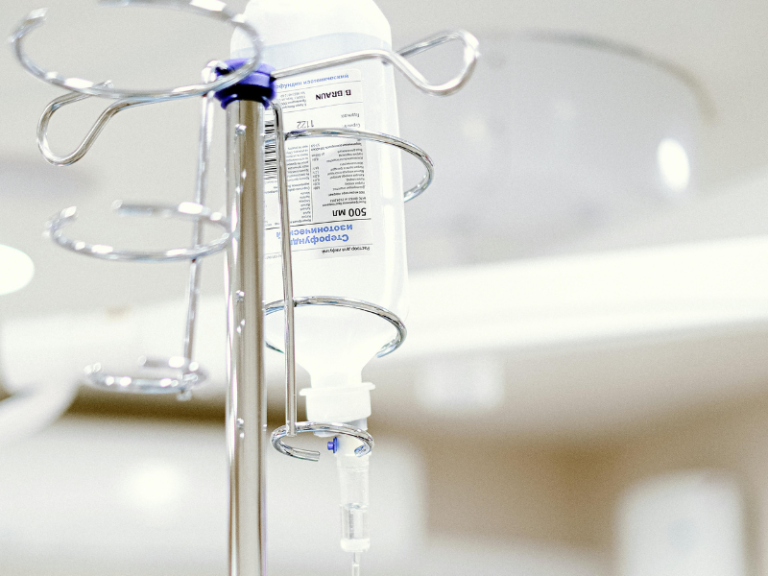
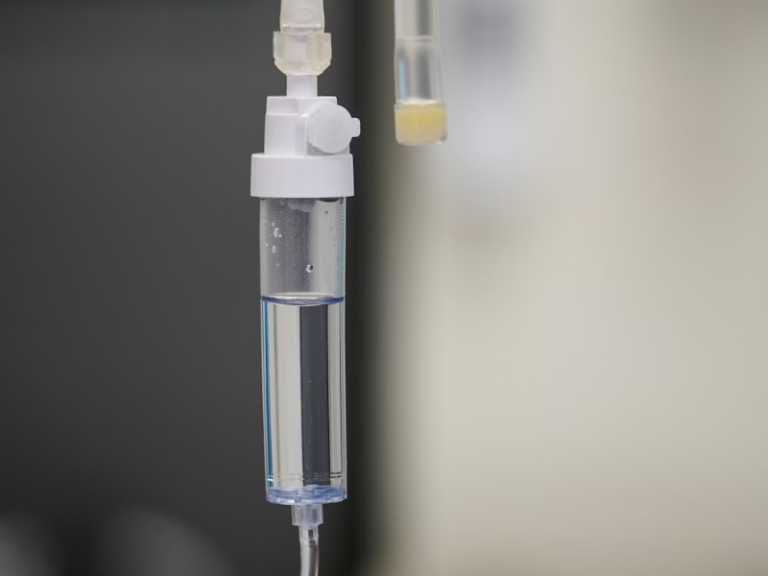
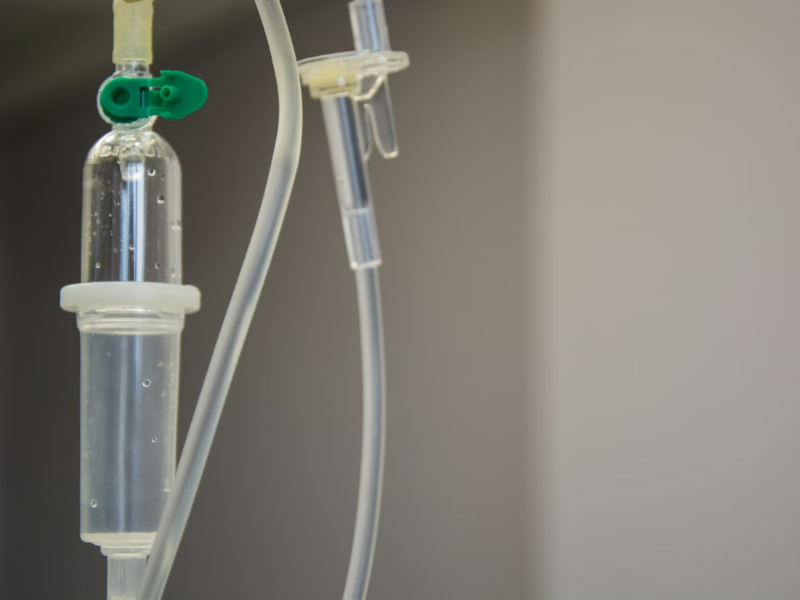
The vitamin D IV infusion typically lasts between thirty and sixty minutes. Patients can read, listen to podcasts, or simply rest while the fluid flows. A nurse checks periodically to ensure the drip rate stays correct and the vein remains stable. Some people notice a cool sensation traveling up the arm at first. This feeling fades quickly as the body adjusts to the incoming fluid.
Physical Sensations and Comfort
Warm blankets and adjustable chairs help patients stay cozy throughout the procedure. Some will feel a mild taste of vitamins in the back of the throat, which is harmless. Others feel a gentle flush in their face or chest as the nutrients circulate. These effects usually disappear within minutes.
Safety Measures in Place
Licensed professionals follow strict sterile protocols during every vitamin D IV infusion. They use new, sealed equipment for each patient to eliminate infection risk. Emergency supplies sit ready in the unlikely event of an allergic reaction. The clinic will also monitors vital signs if the dosage is particularly high.
Recovery and Follow-Up
A single vitamin D IV infusion can raise blood levels significantly, but some patients need multiple sessions. The healthcare team schedules follow-up blood work to track progress over the next few weeks.
They may also suggest dietary changes or safe sun exposure to maintain healthy levels. Patients should report any unusual symptoms, such as persistent nausea or swelling at the injection site.
A vitamin D IV infusion is an effective tool for treating severe deficiencies. The session itself feels straightforward, comfortable, and closely monitored by trained staff. While oral supplements meet daily needs well. Infusion can help people who need immediate, reliable results.